Property owners requiring reliable pest control service in Lowell encounter distinct structural vulnerabilities common to Middlesex County architecture. Historic balloon framing, fieldstone foundations, and multi-unit brick structures near the Merrimack River demand biological precision rather than random chemical broadcasting.
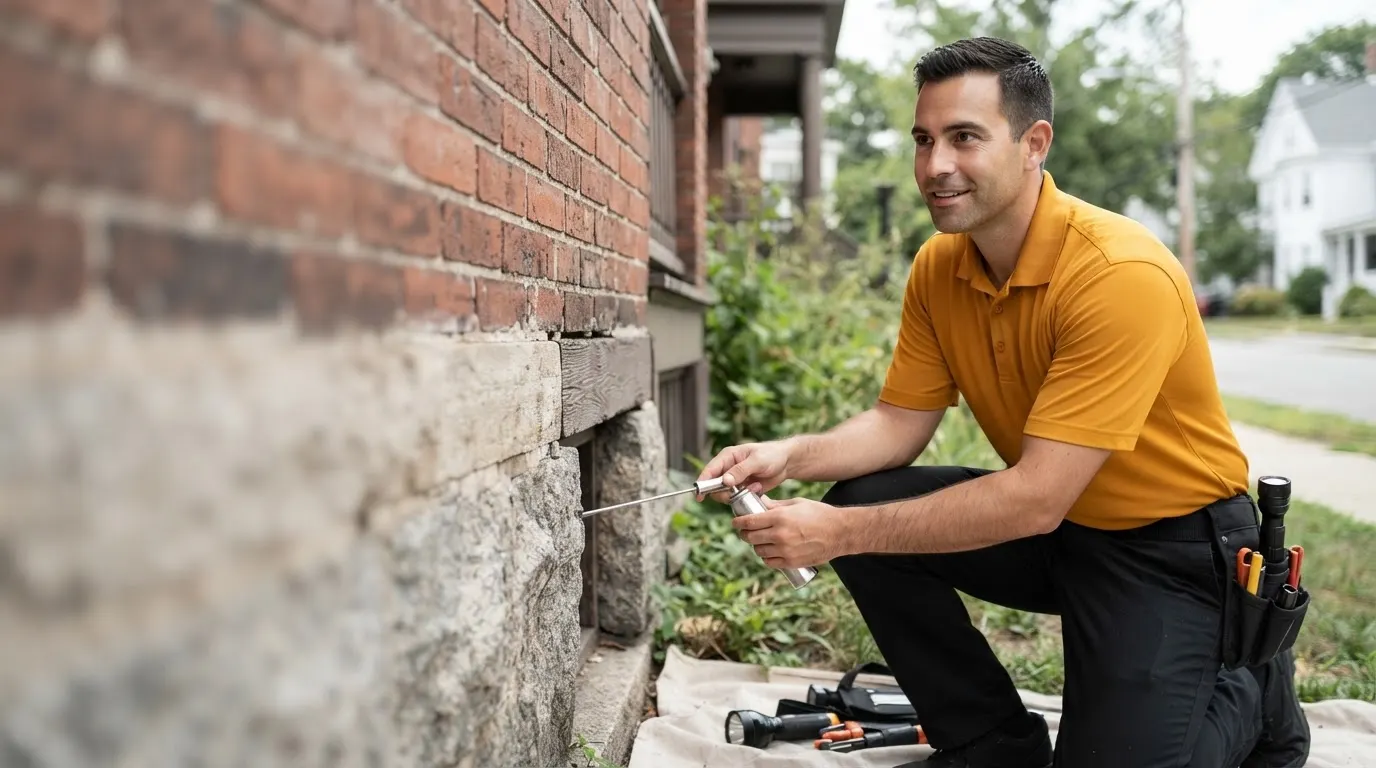
Pest control service in Lowell is a targeted biological management and structural exclusion discipline that eliminates active infestations and seals entry points across local residential and commercial properties.
Every service reflects the same meticulous attention to detail, whether it's a single job or a larger pest control sevice project across Lowell.
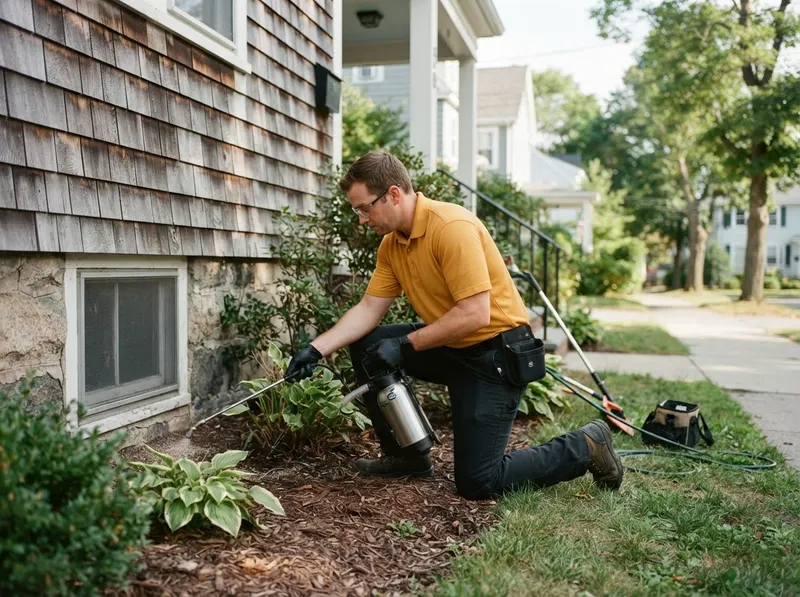
Residential pest control stops structural degradation and contamination inside single-family dwellings and historic properties. Technicians inspect sill plates, plumbing penetrations, and attic insulation to detect hidden nests, applying mechanical blockades and non-volatile baits directly inside structural wall voids to protect living quarters. Older wood-framed structures in neighborhoods like the Highlands or Belvidere often exhibit structural settling, which creates hairline cracks along baseboards, door frames, and window headers where opportunistic insects gain access. In single-family homes, treatment focuses on isolating exterior access points, removing nesting zones from unfinished basement crawlspaces, and placing tamper-resistant exterior monitoring stations around foundation perimeters. Interior applications avoid indiscriminate broadcast spraying, utilizing instead focused crack-and-crevice gel baits and micro-fine mineral dusts that remain active inside dry structural wall voids for up to twelve months. This methodology prevents airborne chemical distribution within living areas while eradicating ants, centipedes, earwigs, and silverfish directly within their subterranean or interior harborage sites. Regular residential assessments ensure that landscape grading, roof gutters, and tree branch overhangs are evaluated to eliminate exterior biological bridges that direct pests into upper attic levels.
Get a quote →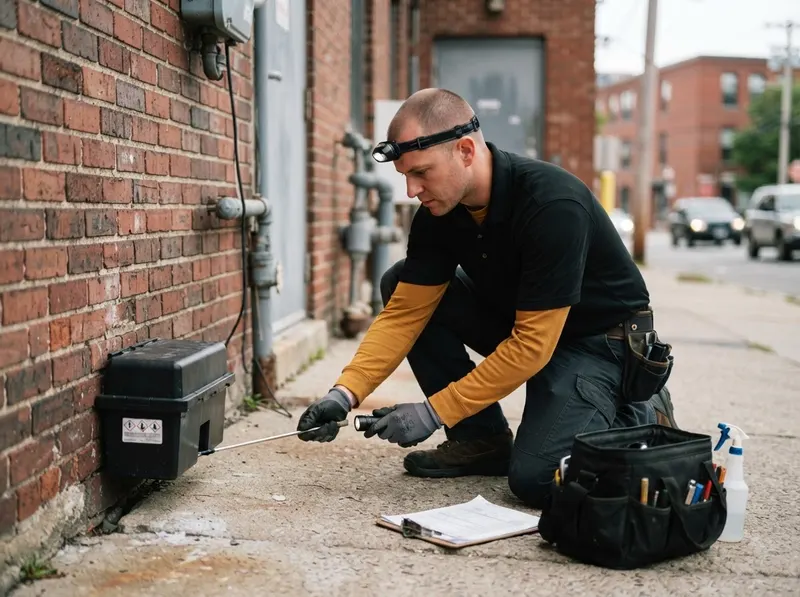
Commercial pest control provides systematic pest suppression for retail shops, restaurants, commercial offices, and industrial mill spaces. Treatment protocols focus on loading dock thresholds, drop ceilings, breakrooms, and waste disposal perimeters to satisfy local health sanitation standards without disrupting active business operations. Commercial facilities situated near urban transit nodes or along commercial corridors like Chelmsford Street require specialized management to halt pest incursions driven by continuous shipments and high foot traffic. Technicians establish tamper-resistant rodent monitoring grids along interior concrete floor perimeters, exterior dumpster pads, and perimeter fence lines, logging pest pressure metrics to identify emerging activity before it impacts public operations. In food service kitchens, treatments center on non-chemical sanitation audits, drain bio-enzyme foaming to eradicate phorid fly breeding sludge, and targeted structural sealing around stainless steel prep table conduits, grease interceptors, and walk-in refrigeration units. Multi-story commercial mill offices with open-timber ceilings receive systematic overhead structural vacuuming and localized micro-injection void treatments to neutralize wood-boring beetles and textile pests without requiring facility shutdowns or compromising sensitive computer hardware.
Get a quote →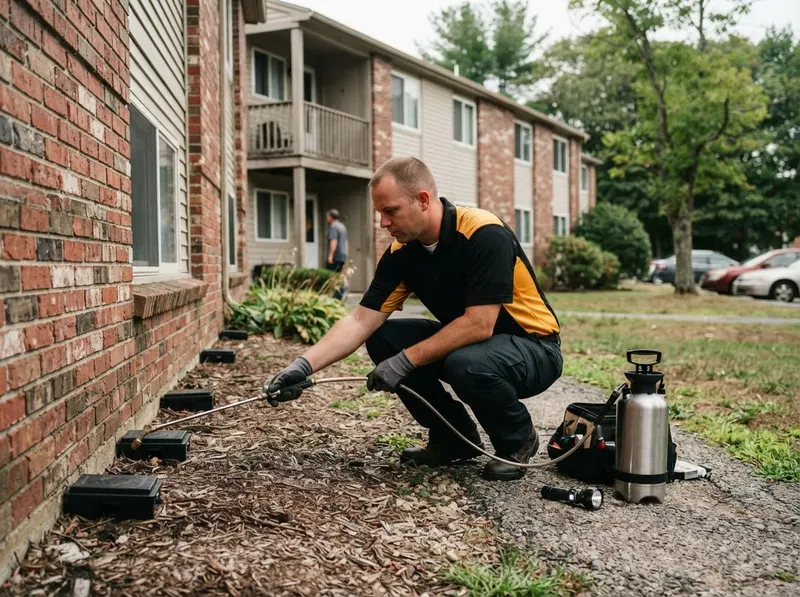
Multi-family pest management isolates shared wall utilities, utility pipe chases, and inter-floor floor joists in multi-tenant rental properties. Coordinated treatments across adjoining units halt the migration of German cockroaches and bed bugs, protecting tenant retention and reducing landlord liability. Classic multi-family triple-deckers throughout Centralville and Back Central contain continuous vertical plumbing and electrical shafts running from stone basements to third-floor attics, providing an unobstructed conduit network for crawling insects. Addressing infestations in these multi-unit structures requires building-wide perimeter barrier defense combined with simultaneous unit-by-unit inspections rather than isolated complaints-based spot spraying. When an infestation occurs in one apartment, technicians treat surrounding buffer units vertically and horizontally, installing metal escutcheon plates around copper water supply lines and applying long-lasting insect growth regulators inside behind-wall service chases. This comprehensive structural compartmentalization halts horizontal migration, breaks pest reproductive cycles across multiple residential generations, and protects landlords from cyclical tenant turnover, building code violations, and costly municipal health department citations.
Get a quote →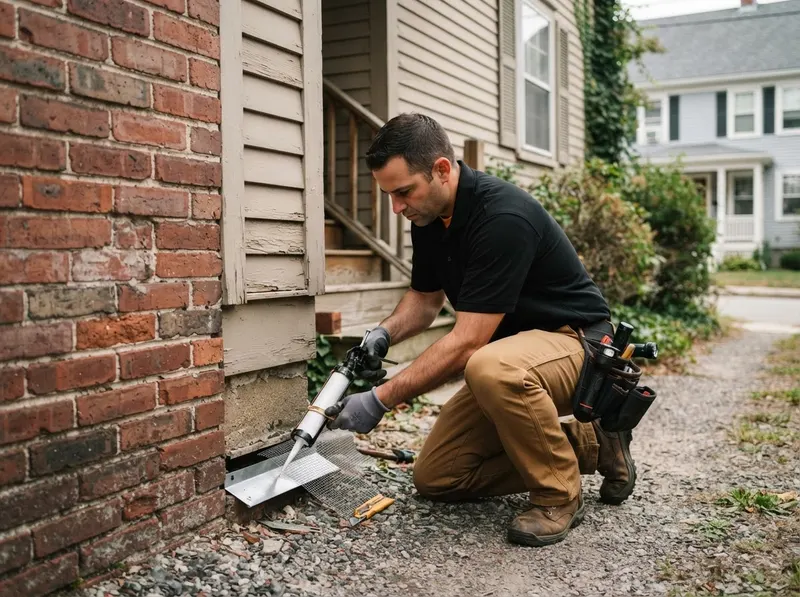
Rodent exclusion and abatement resolves Norway rat and house mouse incursions into basements and living quarters. Field crews install 16-gauge wire mesh, seal foundation rim joists, and eliminate exterior burrow networks near waterways and structural slabs, ending persistent gnawing and food contamination. In urban river valley settings, Norway rats frequently burrow along exterior granite retaining walls and brick alleyways, exploiting foundation gaps as small as one-half inch to enter dirt-floor cellars. House mice require only a one-quarter-inch opening, frequently entering through exterior door sweeps, deteriorated bulkhead doors, and masonry weep vents. Zandrix Insect Defense applies a physical exclusion approach, packing gaps with heavy galvanized hardware cloth, copper mesh, and industrial hydraulic expansion cement that rodents cannot chew through. Once exterior ingress channels are sealed, technicians establish an interior trapping grid utilizing mechanical snap traps strategically positioned along detected rodent travel runways, dark baseboards, and sill plates. Interior trapping rapidly removes trapped rodent populations within 7 to 10 business days without using rodenticides indoors, completely eliminating secondary carcass odor risks behind residential wall cavities.
Get a quote →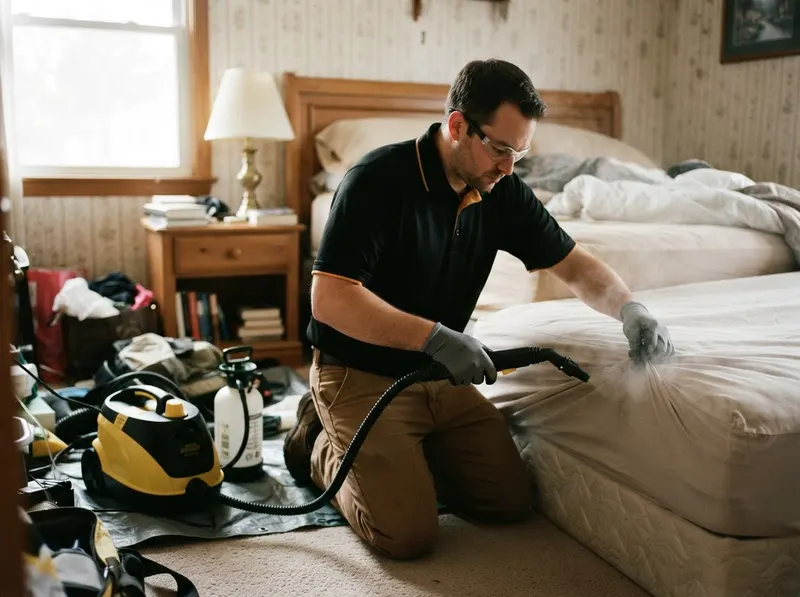
Bed bug eradication neutralizes all life stages of Cimex lectularius in mattresses, headboards, baseboards, and electrical outlets. Dual-action insect growth regulators combined with focused thermal exposure penetrate fabric seams and structural voids without requiring the disposal of undamaged household furnishings. High-density student and residential apartments near UMass Lowell experience recurring bed bug pressure driven by luggage transport, used furniture acquisitions, and seasonal tenant turnover. Our eradication protocol utilizes high-output dry steam systems delivering surface temperatures exceeding 180 degrees Fahrenheit directly to mattress seams, upholstered furniture frames, box springs, and carpet edges, instantly killing both adult insects and microscopic eggs on contact. Following thermal deployment, technicians apply dual-action residual insecticides and insect growth regulators behind electrical faceplates, baseboard tracks, and picture frames, establishing a non-repellent barrier that neutralizes any remaining newly hatched nymphs over subsequent weeks. This systematic protocol completely halts insect feeding cycles, relieves residents of nocturnal bites, and eliminates the heavy expense of discarding valuable personal belongings and structural fixtures.
Get a quote →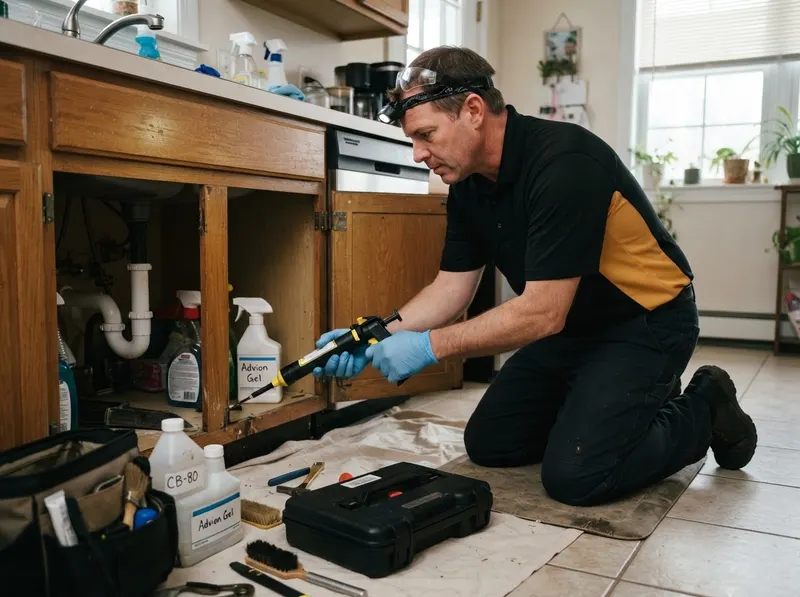
Cockroach containment eliminates heavy infestations of German and American cockroaches from kitchens, utility rooms, and damp sub-levels. Precision gel baits, non-repellent formulations, and target void dusting eradicate colonies within hidden cabinet joints, water heater enclosures, and radiator chases. German cockroaches (Blattella germanica) present an ongoing biological challenge in multi-unit structures due to their rapid 28-day reproductive cycle and high resistance to generic retail spray products. Chemical repellent sprays often scatter these insects deeper into wall voids, worsening multi-family infestations. Zandrix Insect Defense deploys a biological baiting strategy, utilizing matrix-rich hydramethylnon, indoxacarb, or dinotefuran gel placements positioned within concealed hinges, appliance compressor compartments, and sub-counter crevices. Foraging nymphs and adults consume these matrices and transport lethal doses back to the harborage aggregation through fecal consumption and cannibalism, collapsing the colony from within. Technicians also treat wall voids using non-repellent amorphous silica aerogel, which desiccates the insect's protective waxy cuticle, ensuring complete colony mortality even in damp basement conditions.
Get a quote →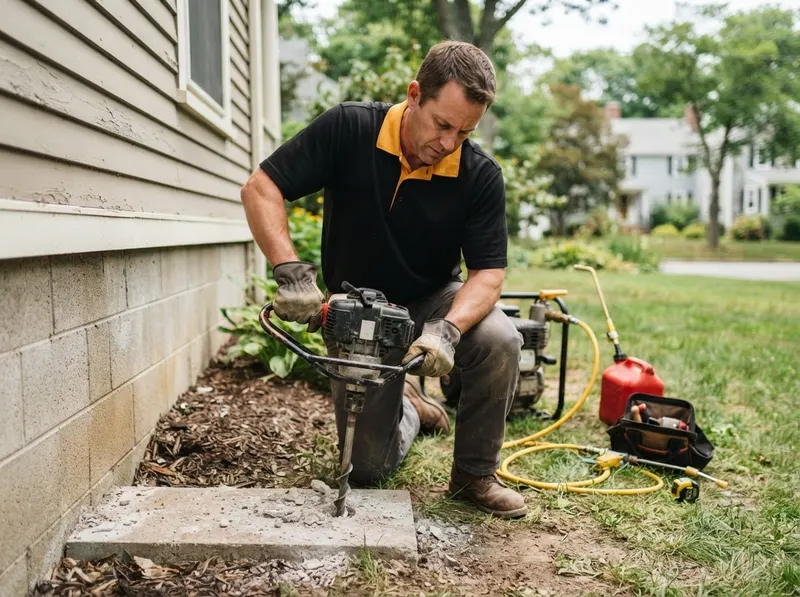
Subterranean termite mitigation halts the consumption of structural wood framing by Reticulitermes flavipes. Technicians establish continuous non-repellent liquid soil barriers around stone and poured foundations, supplemented with tamper-resistant bait stations to disrupt regional colony reproduction before sill plates fail. The damp alluvial soil throughout the our team provides ideal natural conditions for subterranean termite colonies, which establish subterranean nests deep beneath the frost line and construct vertical mud tubes across masonry surfaces to reach structural floor timbers. Left untreated, these wood-destroying insects hollow out structural load-bearing studs, floor joists, and structural band boards from the inside out, leaving outer paint films deceptively intact. Mitigation involves trenching along exterior perimeter foundations, treating soil with non-repellent termiticides that foraging worker termites unknowingly track back to their underground queens, and installing low-profile perimeter bait stations at ten-foot intervals. This comprehensive perimeter envelope halts ongoing timber destruction, protects historic balloon-frame carpentry, and provides verifiable clearance documentation essential during residential real estate sales.
Get a quote →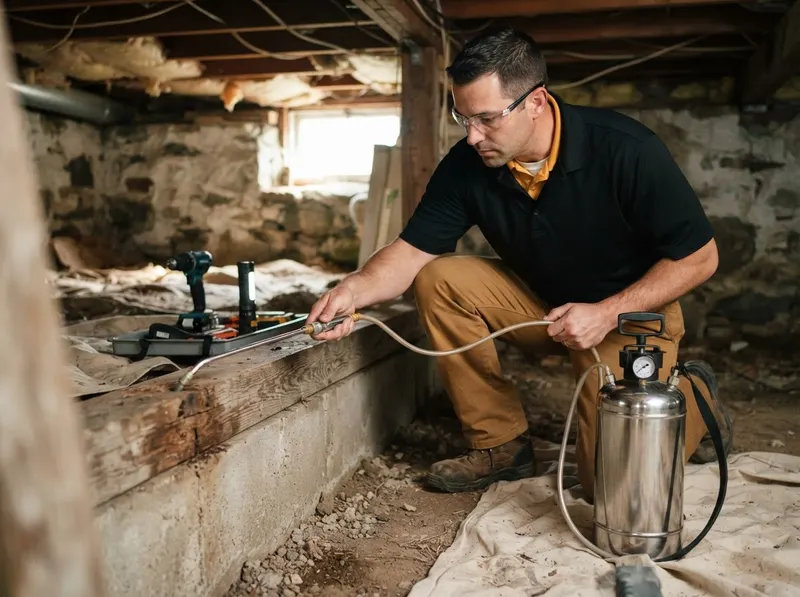
Carpenter ant structural defense eradicates Camponotus pennsylvanicus colonies nesting inside damp wall cavities, window headers, and roof eaves. Treatments target satellite and primary parent colonies using targeted transfer toxicants that forage workers transport directly back to queens nested inside structural framework. Unlike termites, carpenter ants do not digest cellulose fibers; instead, they excavate smooth, gallery-like tunnels inside wet, fungus-damaged wood to establish satellite nesting chambers for their developing brood. Homes surrounded by mature oak and pine canopies in neighborhoods like Pawtucketville are particularly susceptible when branches touch exterior rooflines or gutters overflow, dampening structural fascia boards. Technicians identify active foraging trails along plumbing pipes and structural eaves, inject non-repellent insecticidal foam directly into localized wood galleries, and establish exterior perimeter residual micro-barriers. This systematic protocol ensures foraging workers distribute slow-acting active ingredients back to the main parent colony nested outdoors, terminating the reproductive queen and halting ongoing structural timber excavation.
Get a quote →You get a firm, itemized quote for your pest control sevice before any work begins, no surprises, no pressure.
Careful prep, tidy work, and a full cleanup when we are done. We treat your home and belongings like our own.
The same trusted, background-checked team from the first call to the final check.
If an infestation involves localized pantry beetles, subterranean termites, or localized wasps, select targeted point-source elimination; if nocturnal wall scratching, rub marks, or burrowing are detected along fieldstone foundations, select full-perimeter structural exclusion. Point treatments clear active vectors within 24 to 48 hours, whereas structural exclusion permanently seals structural entry gaps down to one-quarter of an inch using stainless steel mesh, copper mesh, and elastomeric sealants. The operational trade-off centers on project scope and up-front expenditure: point applications address immediate pest activity inside living spaces, while structural exclusion requires comprehensive exterior foundation repairs to halt seasonal reinvasion cycles common to older river-adjacent properties.
Choosing interior surface spraying alone provides fast knockdown of foraging adult insects, but failing to address deteriorated fieldstone mortar joints, unsealed sill plates, or utility conduit penetrations guarantees pest re-entry within 60 to 90 days as exterior atmospheric moisture fluctuates. Conversely, executing structural exclusion without deploying localized insect growth regulators or targeted bait matrices leaves hidden subterranean nests intact behind lath and plaster walls. Homeowners managing single-family colonials along Andover Street in Belvidere benefit from perimeter soil trenches and sealed granite basement steps, whereas property managers supervising multi-family rental buildings along Merrimack Street in The Acre require simultaneous vertical plumbing chase isolation and non-repellent active ingredient distribution.
Selecting the proper protocol depends entirely on whether the biological vector originates within interior nesting cavities or migrates inward from outdoor moisture reservoirs like the Merrimack River canal networks. Balancing mechanical exclusion against targeted micro-injections ensures baseline structural integrity without exposing indoor residential air spaces to heavy pesticide applications.
Every project gets a firm, written price after a free on-site visit. Ranges below for orientation.
Tell us about your pest control sevice job and we'll send a clear, written quote, usually the same day. Or just call and talk to a real Lowell pro.
(413) 603-9160
Properties throughout Downtown Lowell, The Acre, and Back Central face severe biological pressure caused by historic stone infrastructure and the convergent waterways of the Merrimack River and Concord River Greenway. Aging granite foundations, brick canal waterways, and dense multi-family triple-deckers provide ideal damp burrowing highways for Norway rats and German cockroaches seeking climate-controlled harborage. Zandrix Insect Defense addresses these specific Middlesex County building styles by sealing century-old mortar joints, securing subterranean foundation gaps near Shedd Park and Boarding House Park, and safeguarding campus-adjacent housing near UMass Lowell. In neighborhoods like Pawtucketville and Centralville, mature hardwood trees line residential roadways like Riverside Street and Lakeview Avenue, providing elevated transit corridors for carpenter ants and gray squirrels moving toward aging residential rooflines. In the historic Belvidere district, sprawling Victorian and colonial residences along Andover Street and Nesmith Street present massive fieldstone cellar perimeters where seasonal moisture accumulation facilitates subterranean termite tube construction. Historic mill spaces converted into residential lofts adjacent to the Boott Cotton Mills Museum feature massive timber post-and-beam construction, which can shelter wood-boring beetles and textile pests if climate envelopes fail. Because Lowell's industrial canal network continuously feeds localized ground moisture into surrounding subsoils, properties located within 500 yards of the Pawtucket Canal or Eastern Canal encounter persistent rodent burrowing alongside masonry footings. Our structural mitigation protocols directly confront these unique architectural realities by deploying targeted hardware cloth, elastomeric sealants, and subterranean perimeter barriers designed specifically for 19th- and early 20th-century construction methods, stopping invasive biological vectors before they compromise indoor environments.
Free estimates for Lowell & the surrounding area.
 Zandrix Insect Defense